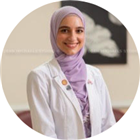
Who is an OB-GYN?
Obstetrician-gynecologists, abbreviated as OB-GYNs, are doctors with in-depth knowledge, clinical skills, and professional capabilities of the female reproductive system. They possess expertise in medical and surgical care and treat disorders that affect a person's menstruation, childbirth, and pregnancy. Throughout their career, OB-GYNs build upon their foundational knowledge to develop a unique and effective type of practice. Their intensive education and training equip them to provide high-quality healthcare for women.
Obstetrics is the medical branch that focuses on pre-, during, and post-pregnancy care. Doctors specializing in this field and obstetricians diagnose, prevent, and maintain a person's health and well-being during childbirth. On the other hand, gynecology deals with caring for the female body and its reproductive health. Any issues that may manifest in the vagina, uterus, ovaries, or fallopian tubes can be treated and cared for by gynecologists.
OB-GYNs provide services for female health from puberty through adulthood and work in various settings, including office visits, hospitals, or private practice. They also screen individuals for cancers and treat issues related to the breasts.
Education and training of an OB-GYN
Aspiring OB-GYNs must complete an undergraduate degree and four years of medical school. Resident education in their field usually focuses on reproductive and ambulatory primary healthcare. For example, every aspirant learns topics like health maintenance, disease prevention, diagnoses, treatment, consultation, and referral.
Some OB-GYNs may opt to acquire additional training in obstetrics and gynecology subspecialties. For instance, doctors specializing in maternal-fetal medicine provide services and care to patients with high-risk pregnancies. On the other hand, reproductive endocrine specialists manage complex medical issues related to reproductive endocrinology and infertility. After they complete the four-year residency program, they commit to one of the following subspecialty in the next three years of fellowship :
- Gynecologic oncology
- Reproductive endocrinology and infertility
- Maternal-fetal and female pelvic medicine
- Reconstructive surgery.
- They can also specialize in childbirth, menstruation, or menopause.
After meeting all the requirements, OB-GYNs must pass a specialty board certification exam authorized by the American Board of Obstetrics and Gynecology.
Role of an OB-GYN
OB-GYNs are generalists who care for various medical concerns and disorders. They evaluate conditions like infertility, abnormal uterine bleeding, leiomyomata, pelvic masses, pelvic organ prolapse, abnormal pap smears, pelvic pain, endometriosis, breast disorders, and urinary incontinence. Additionally, they train to perform minimally invasive procedures like colposcopy, endometrial biopsy, pap smears, and vulvar biopsy.
OB-GYNs also perform primary health care in addition to gynecologic procedures. They conduct laser surgeries and diagnostic laparoscopy and may request other medical tests. Obstetrical procedures they perform include cervical cerclage, dilation, amniocentesis, cesarean, and forceps and vacuum deliveries.
What happens during menopause?
Menopause involves a natural decline in reproductive hormones, usually occurring during the 40s or 50s of a menstruator's life. The menstrual cycle then ends, and various symptoms and changes occur in the body.
Menopause has three stages: perimenopause, menopause, and post-menopause. Perimenopause is the early stages of menopause, during which the ovaries make less and less estrogen. Estrogen levels fall fast, and one may develop other symptoms. During menopause, menstruation stops completely, ovaries stop releasing eggs, and hormonal levels change. These symptoms begin to fade after menopause, but health problems caused by the decrease of estrogen continue.
Due to various changes in lifestyle and physical and mental health at the time of menopause, people might experience mood swings and other mental health conditions. For example, overactive thyroid glands can trigger anxiety, and one may face difficulty sleeping or concentrating. Some mental health issues faced during this time include :
- Depression
- Anxiety
- Irritability
- Fatigue
- Lack of motivation
- Stress
OB-GYNs can collaborate with other medical or mental health professionals to offer a holistic treatment plan during menopause. Gradual or sudden changes in life might cause distress, and it is highly advisable to visit an OB-GYN if one experiences any of the signs or symptoms mentioned above.
What to expect during an OB-GYN appointment?
The first step is to find an OB-GYN near you that fits your requirements, whether it be your medical insurance or the languages they can speak. It is crucial to see a doctor that you will be comfortable with. The initial visit to an OB-GYN can be an anxiety-inducing experience for some people. Knowing what to expect might help ease that anxiety and allow you a positive experience.
The first visit mainly addresses your concerns, understanding your reproductive system, and seeing if you feel at ease with the doctor. You may share your concerns and queries regarding your sexual and menstrual health, family planning, gender, sexuality, etc. This information can also help them with a proper diagnosis and further treatment.
Depending on your condition, your OB-GYN may recommend specific tests for you. Breast and pelvic exams help the doctor in looking for any abnormalities. Both these exams are done using their hands and include a visual inspection. Unless you are experiencing problems, such as irregular bleeding or pain, a pelvic exam is typically not necessary at the initial visit. If any medical issue arises, they might prescribe other diagnostic tests like an X-ray, sonogram, or urine test.
After reaching a diagnosis, they will guide you to various treatment options, whether medical or surgical, depending on your condition. Most doctors are well-trained in trauma-informed care and will be appropriately helpful throughout the appointment. You can also have a chaperone accompany you to the session to feel more comfortable.
You should approach your appointment calmly and feel free to communicate any doubts about your diagnosis or treatment. However, if you feel incompatible with the chosen doctor, you can quickly look up another OB-GYN doctor near you who is better suited to your needs and preferences. The American College of Obstetricians and Gynecologists recommends an annual visit to an OB-GYN for better reproductive health. Thus, finding a qualified doctor for your reproductive issues or general check-ups is vital.
Common gynecologic procedures in OB-GYN
Gynecologic procedures are integral to women's healthcare and involve diagnostic and therapeutic interventions for various conditions. Below is an overview of commonly performed procedures:
- Hysterectomy: OB-GYN specialists frequently perform hysterectomies, a surgical procedure that removes the uterus. This procedure is one of the most common surgeries for women in the United States. Since the uterus is removed, pregnancy is no longer possible.
- Total Laparoscopic Hysterectomy (TLH): In TLH, surgeons remove the uterus and cervix through four small incisions in the abdomen. Depending on the patient's condition, the ovaries and fallopian tubes may also be removed.
- Laparoscopic myomectomy: This minimally invasive procedure removes fibroids from the uterine wall using specialized tools, preserving the uterus.
- Hysteroscopic myomectomy: In this technique, a hysteroscope is placed via the vagina and cervix into the uterus, allowing the OB-GYN to detect and remove fibroids vaginally.
- Laparoscopic ovarian cystectomy: This procedure removes one or multiple cysts from either or both ovaries using small incisions and specialized instruments, preserving the ovaries.
- Hysteroscopic polypectomy: This minimally invasive surgery involves the use of a hysteroscope to locate and remove uterine polyps while preserving the uterus.
- Hysteroscopic endometrial ablation: OB-GYN specialists treat abnormal uterine bleeding through endometrial ablation. Using a hysteroscope, they visualize the inside of the uterus and then destroy (ablate) the uterine lining to address the bleeding.
How can you maintain your sexual and reproductive health?
Being proactive regarding your sexual and reproductive health is crucial for various reasons, including preventing women's health problems, starting a family without complications, and enjoying overall well-being. Even though everything sounds intimidating, it does not take much effort to ensure sexual wellness and healthy reproductive organs. You only need to follow a few easy rules discussed below!
Practice safe sex
Sexual practices that protect you against sexually transmitted infections (STIs), urinary tract infections (UTIs), and unwanted pregnancies include:
- Always use fresh condoms every time you have oral and penetrative sex.
- If you are using latex condoms and need extra lubrication, strictly only use water-based lubricants.
- Remember to pee after sex to flush out any bacteria in the urethra.
- Use other contraception methods as a precaution in case of an emergency, such as the condom breaking or slipping off during sex.
- Reduce the number of sexual partners.
- Every time you have a new partner, have an open conversation with them about their sexual history and safe sex practices.
- Avoid sex after drinking alcohol or taking drugs, as there are more chances of high-risk sexual behaviors.
- Routinely inspect your genital area for signs of STIs such as sores, blisters, bumps, burning, itching, discharge, odor, or pain.
- Get tested for STIs regularly.
Go for well-woman check-ups
Going for routine visits with an OB-GYN near you is crucial. During well-woman check-ups, the provider conducts a physical exam for your vitals and breast exam to rule out breast cancer. They also do a pelvic exam to check for signs of reproductive cancers, sexually transmitted diseases, menstrual irregularities, and other abnormalities. The OB-GYN near you may also perform a Pap smear for detecting cervical cancer. Furthermore, you can discuss HPV vaccinations, contraception options, self-breast exams, and other preventive measures.
Have a healthy lifestyle
Making better health choices can maintain your menstrual cycle, improve fertility, and ensure a healthy pregnancy whenever you plan to conceive. Here are some lifestyle tips you should remember:
- Quit tobacco, alcohol, and drug use.
- Maintain a healthy body weight.
- Practice yoga, meditation, and other relaxation techniques.
- Consume a balanced diet.
- Exercise regularly.
- Get better sleep.
How to look for the best OB-GYN near you in West Orange, NJ?
Preventive care is the best defense against health and medical issues. If you are experiencing difficulties in your reproductive health, you might need a preventative check-up occasionally. During the initial sessions, your doctor may conduct evaluations, immunizations, and lab or medical tests to screen certain conditions. They may also perform a pelvic exam and inquire about your medical and family history. You must immediately consult an OB-GYN if you notice changes in your reproductive cycle. The changes may occur during your first menstrual cycle, pregnancy, perimenopause, or menopause.
Finding someone who understands your medical needs and concerns is essential but can prove challenging. With Zocdoc, you can locate some of the best OB-GYN doctors near you in West Orange, NJ, from the comfort of your home.
Register for a free account on Zocdoc and use the advanced features to search by entering your symptoms, condition, procedures, doctor's specialty, date, location, and insurance plan details. If you have multiple insurance plans, you can add your medical, dental, and vision plans to your Zocdoc account; however, you'll only be able to search for and book appointments using one plan at a time. You can note your secondary insurance carrier and plan details in the provider's notes section for additional coverage during the final booking step. If your provider utilizes Zocdoc's Intake forms, you can add your secondary insurance information when completing the forms online. For more insurance-related questions, please visit Zocdoc's patient help center.
You will receive a comprehensive list of healthcare professionals matching your criteria. Every listed doctor has a unique profile you can visit to compare them based on various logistics like their academic background, medical expertise, research interests, services they provide, etc. You may also filter these providers based on their gender, the languages they speak, and hospital affiliations.
Once you have shortlisted all the doctors you feel comfortable with, you can access verified reviews and ratings from their prior patients to make a more informed decision. After picking the best-suited OB-GYN near you, schedule an in-person or virtual appointment with them as per your preference.
All bookings made on Zocdoc are simple, 100% free, and secure!
OB-GYN statistics for New Jersey
According to statistics from the American Cancer Society, in 2022, there were an estimated 290,560 new breast cancer cases in America, and it predicted that 43,780 people might lose their lives. It also indicates that in New Jersey in 2022, there will be 8,410 new breast cancer cases, causing 1,210 deaths, and about 2,560 new cancer cases in the urinary bladder, causing 510 deaths.
Data from the Centers for Disease Control and Prevention (2020) shows that PCOS (Polycystic Ovary Syndrome) affects nearly 6% to 12% of menstruators of reproductive age in the United States. People with PCOS are more susceptible to other health issues like infertility, type 2 diabetes, hypertension, stroke, and endometrial cancer. Research in the Endocrine Society (2022) shows that 77% of people with PCOS are more likely to develop anxiety, and 53% are more likely to suffer from eating disorders.
The U.S. Bureau of Labor Statistics states the national estimate of employment rates for OB-GYNs in the United States. As of May 2021, 21,570 OB-GYNs actively provided services in the country, of which 2,050 were in New Jersey.
Sources
WebMD
Healthline[1]
Healthline[2]
American College of Surgeons
Mayo Clinic[1]
Mayo Clinic[2]
American Cancer Society
Centers for Disease Control and Prevention
Endocrine Society
U.S. Bureau of Labor Statistics
American College of Obstetricians and Gynecologists
New Jersey Family Planning League
University OB/GYN Associates
Johns Hopkins Medicine
Walnut Hill Obstetrics & Gynecology Associates
Embry Women's Health
Boston Medical Center