
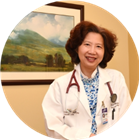
Pediatric Nurse Practitioner
Accepts BlueCross BlueShield + 3 more
Accepting new patients
Next available: Mon, Oct 26



























Average time it takes to be seen by a provider

Verified providers with a 4.8 average rating

In the business of finding quality care for patients






On average, patients who use Zocdoc can search for a Primary Care Doctor in Stockbridge, book an appointment, and see the Primary Care Doctor within 24 hours. Same-day appointments are often available, you can search for real-time availability of Doctors in Stockbridge who accept your insurance and make an appointment online.
Zocdoc lets you search specifically for a Stockbridge Primary Care Doctor who takes your insurance. Just choose your carrier and plan from the drop-down menu at the top of the page. If you’re not sure which plan you have, you can use Zocdoc’s insurance checker to find out.
Zocdoc is a free online service that helps patients find Doctors in Stockbridge and book appointments instantly. You can search for Stockbridge Doctors by symptom or visit reason. Then, choose your insurance plan. Based on that information, you’ll see a list of providers who meet your search criteria, along with their available appointment slots.
When you search for Stockbridge Doctors on Zocdoc, you can filter your results by gender, in addition to other criteria. That way, you’ll only see Doctors in Stockbridge who match your preferences.
On Zocdoc, you can search specifically for Stockbridge Doctors with availability after 5 p.m.
You can use Zocdoc to find Doctors in Stockbridge who are highly rated by other patients. These ratings are based on verified reviews submitted by real patients. Every time a patient completes an appointment booked on Zocdoc, they’re invited to review their experience. Each review must comply with Zocdoc’s guidelines.
Doctors in Stockbridge on Zocdoc who see patients through online video visits will have a purple video icon on their profiles. You can also filter your search results to show only Doctors who offer video visits.
Most insurers provide coverage for video visits at the same cost as in-person visits. You can search on Zocdoc specifically for Doctors in Stockbridge who accept your insurance for video visits by selecting your carrier and plan from the drop-down menu at the top of the page. We recommend you check with your insurance carrier directly to confirm your coverage and out of pocket costs for video visits.
Zocdoc lets you search specifically for a Primary Care Doctor who has appointments available before 10:00 am, or after 5:00 pm. Just choose the special hours filter at the top of our search page.
Zocdoc let's you see real-time availability for Doctors in Stockbridge. Many Doctors offer appointments on Saturdays and Sundays.
The primary care doctor fills a significant role in the modern US healthcare system. A primary care physician (PCP) or primary care doctor is a medical doctor specializing in diagnosing, managing, preventing, and treating a broad array of illnesses, health issues, and injuries in people. They are the first point of contact for the individual with the entire healthcare system and provide continuous and comprehensive care services to patients in acute and chronic cases.
Providing continuity of care is the primary role of a primary care doctor. It means developing a long-term, trustworthy wellness relationship with the patient and coordinating the patient's healthcare with specialist doctors in the healthcare system. Recent studies have consistently proved that people who receive care services from a dedicated primary care doctor live longer and enjoy good overall health and well-being compared to those with no dependable care professional.
A primary care physician (PCP) is a comprehensive health manager available in various settings, such as clinics, long-term care facilities, private practices, outpatient and inpatient hospital settings, and group practices. Your PCP is the go-to professional for many health concerns, from managing the flu and administering vaccinations to assisting with smoking cessation, diabetes management, and weight loss. While they are trained to handle all aspects of healthcare, they may refer you to a specialist if your condition requires more focused care.
Primary care physicians offer crucial services, including routine physical exams, vaccinations, preventive care, and wellness screenings. They diagnose and manage common illnesses and chronic conditions, including diabetes, obesity, and hypertension (high blood pressure). Additionally, they are equipped to treat mental health conditions such as depression and anxiety, ensuring a holistic approach to your well-being.
Your lifestyle and personal history significantly impact your overall health. A PCP takes these factors into account during checkups and provides the following services:
Depending on their specialty, we can classify primary care doctors into different types. They include:
A significant challenge for most people is finding a qualified and experienced primary care doctor they can trust — someone they can talk to openly and honestly about their health issues. But how do you find such an important partner from an endless list of doctor names, websites, and directories? The answer is simple – Log in to Zocdoc.
A primary care doctor treats and assists patients in managing various health challenges, which result in varying symptoms. Here are some common indicators of potential underlying health issues:
Being prepared for a primary care visit can help ensure a productive and less stressful experience, whether you're seeing a new doctor or continuing care with someone familiar. Start by making a list of the concerns or questions you want to discuss—whether it's about new symptoms, vaccinations, or how a treatment is affecting your daily life. Prioritize your topics so the most important issues are addressed first.
Bring all relevant medical information with you. This includes your health insurance card, contact information for any other providers you see, and your medical history. Many doctors recommend either bringing your medications in their original containers or preparing a list that includes dosages and frequency. This helps avoid confusion and ensures your doctor has accurate information.
It can also be beneficial to bring any family member or close friend to your appointment. Let them know how they can support you—whether it's reminding you of questions you planned to ask, helping with note-taking, or simply providing emotional support. However, it's important to maintain your privacy. You may choose to have part of the visit one-on-one with your doctor to discuss more personal concerns.
For first-time visits, introduce yourself to the doctor and office staff and clarify how you prefer to be addressed. Ask about how the office operates—when the best times are to call, and what procedures are in place for emergencies or after-hours care. Share your past medical history and the contact information of previous healthcare providers so your new doctor can obtain your records.
Also, make sure you bring any glasses, hearing aids, or assistive devices you use so communication is as clear as possible. If you don't speak English fluently, request an interpreter ahead of time to ensure you can communicate comfortably and fully understand medical information.
With Zocdoc, finding the best and most experienced primary care doctors in Stockbridge, Georgia, is quick and easy. Our website has a detailed list of qualified primary care doctors near you.
First, create a free Zocdoc account. Next, choose the specialty or condition, location, date, and insurance plan. A comprehensive list based on your search criteria will appear. You can even use the Zocdoc insurance detector if you need clarification on insurance. While Zocdoc does not require you to upload a photo of your insurance card, doing so can help you correctly select your insurance plan. If you do not wish to upload a photo, you can still add your insurance information by manually selecting your plan from the provided list. For more insurance-related questions, you can visit Zocdoc's patient help center.
Each primary care doctor profile on Zocdoc includes a brief introduction, education qualification, practice location, visit reasons, and, more importantly, patient reviews for the particular doctor. Therefore, you get to know everything you need about a specific primary care doctor near you on a single platform.
You can also book a video appointment on Zocdoc before an in-person visit to better understand your primary care doctor. Look for a purple video icon to find primary care physician profiles or filter the selection of the video appointment.
Book appointments with primary care doctors who accept your insurance plan in real time.
All Zocdoc bookings are simple, secure, and free!
Georgia had approximately 57 PCPs per 100,000 persons in 2018, compared to 76 per 100,000 nationwide and 74 per 100,000 in the South Atlantic region. About 5,993 PCPs were involved in direct patient care in Georgia in 2018, of which around 2,260 were family doctors. Further, nearly 38% of the primary care workforce consisted of family doctors in Georgia, compared to the nationwide and the South Atlantic Census Division average of 38%.
As per the 2018 Centers for Disease Control and Prevention data, almost 8.9% of the adult population in Georgia (age 18 years and older) had an asthma diagnosis. The data further states that nearly 11.6% of women in Georgia have asthma diagnoses, compared to almost 6.1% of men. Moreover, 10.7% of Georgia's 55-64 age group have asthma diagnoses.
As per the Georgia Department of Public Health, approximately 12.4% or 1 million Georgians have a diabetes diagnosis, with an additional 230,000 being unaware of their diabetic condition. Diabetes prevalence has increased tremendously, from almost 9.7% to nearly 11.4%, between 2006 and 2016. Additionally, over 2 million people have preventable prediabetes conditions.
As per the Centers for Disease Control and Prevention, in 2018, about 7 million people in the US consulted primary care doctors with an allergic rhinitis diagnosis. In addition, almost 5.2 million, or 7.2% of children under 18, reported hay fever in 2018.
Georgia Department of Public Health[1]
Georgia Department of Public Health[2]
The content herein is provided for general informational purposes only and is not a substitute for professional medical advice, diagnosis or treatment. Medical information changes constantly, and therefore the content on this website should not be assumed to be current, complete or exhaustive. Always seek the advice of your doctor before starting or changing treatment. If you think you may have a medical emergency, please call your doctor or 9-1-1 immediately.