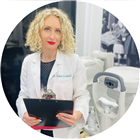
An ophthalmologist is an eye specialist. They can diagnose, treat, and prevent eye and visual system disorders using their medical and surgical skills. Ophthalmologists can handle all medical aspects of eye care, including prescription glasses or contact lenses and medicines for eye problems.
In a comprehensive eye examination, ophthalmologists assess your vision and, if needed, determine your eyeglasses or contact lens prescriptions. They also test your pupils' response to light, ensure that the muscles that move your eyes are working correctly, and check your eyes' alignment. Ophthalmologists can help early detect conditions such as glaucoma and cataracts.
The requirements for becoming an ophthalmologist in the United States include:
- Four years of college
- Four years of medical school
- Four to five years of additional specialized training
Many ophthalmologists further their education by completing fellowship training in specialized fields such as pediatrics, cataract surgery, or glaucoma.
How are ophthalmologists different from optometrists?
Ophthalmologists and optometrists are essential in providing eye care to patients. However, each has a different level of expertise and training.
Unlike optometrists, an ophthalmologist is a medical or osteopathic doctor (M.D. or D.O.) specializing in vision and eye care. Ophthalmologists are licensed to provide medical care and surgery. They can detect and treat all eye problems, perform surgeries, and fit eyeglasses or contacts to correct vision issues. Some ophthalmologists are also involved in scientific research or studies on causes and cures for vision disorders and eye diseases.
Optometrists, on the other hand, are university-trained eye care professionals. They receive a Doctor of Optometry degree (O.D.). They provide primary eye care, from vision testing and correction to diagnosing, treating, and managing vision changes. Licensed optometrists can advise on visual problems, treat minor issues, and screen for conditions such as glaucoma. The optometrist will guide you to an ophthalmologist to diagnose and treat severe eye conditions.
When should you see an ophthalmologist?
An ophthalmologist can handle all your eye care needs, but you should consider consulting one anytime you have a severe eye condition that requires specialized care or surgery.
The American Academy of Ophthalmology (AAO) advises the following:
Baseline exams: Children's eyes grow and change rapidly, so they should receive vision screening tests. If required, they can also be referred to ophthalmologists for a comprehensive eye exam. Adults with healthy eyes and excellent vision should also have four comprehensive eye exams: initially, one in their 20s, two in their 30s, and one at 40. When noticeable symptoms appear, they might already have some vision loss. Early treatment of eye problems can help protect your eyesight.
People at higher risk of eye diseases should consult more often. These include people with diabetes, a family history of eye problems, or problems like high blood pressure. After age 65, you should get your eyes checked every one to two years. People who wear contact, regardless of age, should have a complete eye examination annually.
Have an eye problem: Contact your ophthalmologist if you have any of the following:
- Eye pain
- A change in vision, blurriness, or double vision
- An increase in floaters or flashes of light
- An eye injury or infection
- Sudden vision loss, even if your sight returns after a few seconds
What are some conditions that get detected in an eye exam?
Eyes are windows to the actions of nerves, blood vessels, and connective tissue throughout your body. Problems spotted in your eye are often signs of diseases lurking elsewhere.
Following are a few conditions or diseases that may be diagnosed during a comprehensive eye examination when you visit an ophthalmologist near you:
- Diabetes: Tiny retinal blood vessels that leak yellow fluid or blood can be a symptom of diabetic retinopathy. This disease might appear in the eye tissue even before a person receives a positive diagnosis of diabetes. Early detection helps prevent further complications and helps people avoid vision loss.
- Aneurysm: A blister in the wall of a blood vessel is called an aneurysm. This weak wall can leak or rupture. Signs of the aneurysm can include a one-sided headache, pain above or around your eye, or loss of facial or body function. An aneurysm is a serious condition and requires immediate medical attention.
- High blood pressure: Unusual bends, kinks, or bleeding from blood vessels in the back of your eye can signal high blood pressure. Your doctor can detect this during a dilated eye exam.
- Heart disease: When ophthalmologists examine the retina using an imaging tool called optical coherence tomography, they might be able to detect microscopic marks left by an eye stroke. These marks can appear in healthy people but are in higher numbers in people with heart diseases.
- Multiple sclerosis: Optic nerve inflammation can indicate multiple sclerosis, a degenerative condition affecting the nervous system. This inflammation can accompany blurry vision, double-eye vision, or painful eye movement.
- Stroke: Retinal blood vessels sometimes contain blockages or clots. These can cause sudden blind spots or a sense of lost vision and indicate an increased risk of stroke.
What tests can be conducted to check the eyes?
An ophthalmologist uses a range of tests to assess your eye health and gain a deep understanding of your vision and overall ocular condition.
- Visual acuity test: This is often the starting point in your eye examination. You'll be asked to read from a Snellen chart. As you progress down the chart, the lines of random letters gradually decrease in size. The results help determine the sharpness of your vision and whether corrective measures like glasses or contact lenses are necessary.
- Color blindness test: Your ability to perceive and distinguish colors is evaluated with charts filled with colored dots that form recognizable numbers. This test ensures you can see the full spectrum of colors which are essential for daily life.
- Stereopsis test: A critical element of vision is three-dimensional depth perception. This test helps determine whether your eyes work together effectively to provide depth cues in your visual environment.
- Peripheral vision tests: These examinations assess your ability to detect objects in your side vision, which is essential for activities like driving and spatial awareness. You might have to focus on a machine and signal when you see points of light in your periphery.
- Eye muscle test: This test evaluates eye muscle coordination by following the movement of a penlight or pencil in different directions. It ensures that your eye muscles function in harmony.
- Pupil constriction test: A penlight examines pupils' response to light. This examination confirms whether pupils constrict or close properly when exposed to light, a crucial aspect of eye functionality.
- Fundus check: To assess the structures at the back of your eye, which includes the retina, surrounding blood vessels, and the optic nerve, your ophthalmologist might administer eye drops to dilate your pupils. This detailed examination of the fundus provides insights into potential issues within these critical inner eye structures.
- Front of eye check: A slit lamp, a magnifying device, is used to examine the front of your eye. This examination allows your ophthalmologist to assess the health of your eyelids, cornea, conjunctiva, sclera, and iris for any irregularities or anomalies.
- Glaucoma test: This test involves positioning your eye in front of a device that emits a gentle puff of air to assess intraocular pressure. It is a crucial step in the early detection of glaucoma, a condition that, if left untreated, can lead to vision loss.
Understanding glaucoma and its symptoms
Glaucoma is a severe eye problem characterized by elevated fluid pressure inside the eye. If not managed promptly, it may result in permanent vision loss. The eye is filled with a fluid known as aqueous humor, continuously produced and drained to maintain a healthy pressure level. When the drainage pathways become blocked, fluid accumulates, causing pressure to rise. The increased pressure may harm the optic nerve, which is critical for transmitting visual information to the brain.
Glaucoma primarily exists in two forms: open-angle and closed-angle. Open-angle glaucoma is the most common, representing the majority of cases. It progresses slowly, often without noticeable symptoms, making early detection difficult. Patients may only realize they have the condition once they experience significant peripheral vision loss.
On the other hand, closed-angle glaucoma presents a more acute and severe scenario. This type occurs when the drainage system suddenly becomes obstructed, causing a swift rise in eye pressure. Symptoms of closed-angle glaucoma can include intense eye pain, redness, blurred vision, and nausea. If you encounter these symptoms, it's essential to seek prompt medical attention, as closed-angle glaucoma is a medical emergency.
Many individuals with glaucoma may not experience symptoms in the initial stages, underscoring the importance of regular eye examinations. During these examinations, an eye care professional can measure eye pressure and evaluate the optic nerve for early signs of damage. Prompt detection and treatment are vital in managing glaucoma effectively and preventing vision loss. Treatment options may include medications, laser therapy, or surgery, depending on the type and severity of the condition. By understanding glaucoma and its symptoms, people can take proactive measures to safeguard their eyesight and overall eye health.
How do you find top ophthalmologists near you in Middletown, New Jersey?
Are you looking for the best glaucoma treatment in Middletown, New Jersey? Do you want to get your contacts fitted? If so, you should visit an ophthalmologist who can help you best with all such requirements. With Zocdoc, your search will become much easier, and you can book an appointment with top ophthalmologists in Middletown, New Jersey, in minutes.
To start, create a free account on Zocdoc. Choose the condition or symptoms, specialty, location, date, and insurance plan. A comprehensive list of nearby ophthalmologists based on your search criteria will appear. Need help determining your insurance plan? Use Zocdoc's insurance detector. Your insurance card is entirely secure with Zocdoc. Protecting your personal information is a top priority, and we follow industry standards to guarantee your data remains safe. You can refer to our privacy policy for more details on how Zocdoc manages data and privacy. For more insurance-related questions, please visit Zocdoc's patient help center.
Each ophthalmologist on Zocdoc has a unique profile. The profile contains the provider's short bios, qualifications, accreditations, certifications, visit reasons, practice location, and most importantly, user ratings and patient reviews. Before booking an appointment, you can learn about the ophthalmologists near you through their profiles. You can also use filters based on the provider's gender, visit type, language, and more to narrow your results further. Zocdoc also allows you to book video consultations with your provider. To do so, look for the purple icon on the provider's profile or filter the video consultation selection.
The best part is that all Zocdoc bookings are simple, secure, and 100% free!
Statistics on ophthalmologists and eye conditions in New Jersey, United States
According to the 2021 occupational employment and wage statistics reports published by the U.S. Bureau of Labor Statistics, around 11,610 ophthalmologists actively provided services in the United States. The corresponding figure for New Jersey was about 170 ophthalmologists.
As per Ophthalmology Physicians & Surgeons, cataracts account for around 51% of blindness worldwide. Approximately 24.4 million people over 40 years old in the United States have been affected by cataracts.
According to the report on the impact of vision impairment in New Jersey published by the Centers for Disease Control and Prevention, around 170,000 people report blindness or severe difficulty seeing even with glasses. The report also shows that severe vision impairment is higher in people with poor health (10%) than those with good health (3%). In addition, it also found that people with vision impairment were more likely to have diabetes(17%), arthritis(34%), and mobility issues(46%).
Sources
WebMD
American College of Surgeons
American Academy of Ophthalmology
American Association for Pediatric Ophthalmology and Strabismus
Healthdirect
U.S. Bureau of Labor Statistics
Centers for Disease Control and Prevention
Cleveland Clinic
Healthline