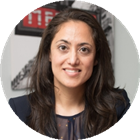
Who are optometrists?
An optometrist helps patients see better by addressing vision issues. Doctors of optometry are essential healthcare practitioners. They look at, diagnose, treat, and manage eye diseases and problems.
In addition to eye and vision treatment, optometrists play an essential role in a person's general health and well-being by identifying systemic diseases, diagnosing, treating, and managing ocular manifestations of such conditions, and administering immunizations. An optometrist is responsible for the following:
- Prescribing drugs, vision rehabilitation, spectacles, and contact lenses
- Advising patients on surgical and non-surgical solutions that fulfill their visual demands related to their jobs, hobbies, and way of life
They can collaborate with ophthalmologists, general practitioners, neurologists, and endocrinologists.
What kind of education and training do optometrists receive?
To become an optometrist, aspirants undergo extensive training and education. First, they attend college and obtain a bachelor's degree in science or pre-med courses. After that, they must pass an Optometry Admission Test (OAT) to get into a four-year program and earn their doctoral degree.
After that, they must take the National Board of Examiners in Optometry (NBEO) exam and apply for a license to begin practicing as an optometrist. After obtaining a license, some optometrists may choose to specialize further by pursuing additional clinical training and fellowships.
What is the difference between opticians, ophthalmologists, and optometrists?
Optometrists and ophthalmologists are both eye experts, but their roles and responsibilities differ.
Optometrists are vision care specialists. They can check your eyes, notice any issues, and write prescriptions for glasses or contacts. However, they cannot perform surgeries. If they conclude that the patient needs surgical intervention, they will refer them to an ophthalmologist.
Ophthalmologists are eye care specialists and medical doctors. They are qualified to perform surgeries and treat any condition affecting your eyes or vision.
Opticians, on the other hand, work alongside optometrists and ophthalmologists. Opticians usually have a two-year technical degree or a certification. They provide eyewear services such as analyzing prescriptions for eyeglasses, determining the type of lenses needed by an individual, and repairing eyeglasses and frames. However, they cannot diagnose eye problems, prescribe medication, or perform surgery.
Reasons to see an optometrist near you
Regularly visiting an optometrist is vital for good eye health. It is essential for people who wear glasses or lenses to see an optometrist frequently and others who do not. Why? Along with keeping your eyes in good health, regular checkups can help prevent future issues through early detection and treatment. Moreover, consult an optometrist if you:
- Feel you need glasses.
- Take medications that affect your eyes.
- Have a chronic condition like diabetes, which increases the risk of eye disease.
- Have a family history of eye-related vision loss or diseases.
Meanwhile, the following conditions might need immediate expert attention:
- Eye pain or light flashes
- Blurred or double vision
- Circles that look like halos around lights
- Irritated, red-eyes
- Floaters — specks floating before your eyes
What to expect at an optometry session?
The optometrist will first discuss your medical history. They will also discuss any current or past vision issues or conditions. They will then examine your eyes to make sure they are working correctly. Following will be multiple tests to find or rule out possible unwanted issues. These tests might include the following:
- Cover test: Determines the functioning ability of your eyes. Your optometrist will cover and uncover each eye. At the same time, you will concentrate on a tiny target placed at a specified distance. During this time, the doctor will observe how your eyes move.
- Eye muscle movement test: This test evaluates your eye alignment. It requires you to follow a target, such as a pencil or a fingertip, as it moves in multiple directions.
- Pupil reaction test: The dark core of your eyes, called the pupils, constantly adjusts to various light levels. Your doctor will inspect the whites of your eyes and the position of your eyelids. They will mainly note how your pupils change during the examination.
- Visual acuity test: Also called refraction test. It entails reading from the largest letters at the top of an eye chart to the lowest row at the bottom while covering one eye. This test will determine whether you require corrective lenses. If so, you will have a refraction test, which enables your optometrist to adjust your prescription by switching between several lenses back and forth.
- Slit lamp test: Consists of a unique tool. The doctor will light it up and use it to enlarge the front of your eye. Optometrists use it to observe and analyze your iris, cornea, lens, and back of your eyes.
- Retinal exam: Also known as ophthalmoscopy. The doctors use an instrument called an ophthalmoscope for this test. It lets them see the retina, blood vessels, optic nerve, and fluid in the rear and inside your eyes.
Also, an optometrist will assess your peripheral vision and measure the thickness of your corneas. Additionally, they will check the fluid pressure in your eyes for any indications of glaucoma.
Moreover, these experts may suggest wearing glasses or contact lenses or refer you to an ophthalmologist if required. Lastly, bring a pair of sunglasses if your eyes become dilated during the exam. Bright sunlight or artificial lighting may be irritating or painful until the drops subside.
Meaning and importance of eye exams
A comprehensive eye exam comprises a series of tests. These tests assess the health of your eyes and eyesight. An optometrist can examine your eye health. They can also detect indicators of illnesses such as brain tumors, aneurysms, high blood pressure, and diabetes elsewhere in the body. Comprehensive eye checkups are essential for more than just impaired vision. Vision changes throughout time, and more than 16 million Americans suffer from undetected or untreated vision abnormalities that a complete eye exam may have caught.
Every day, asymptomatic patients who come in for comprehensive eye exams are diagnosed with severe eye and health disorders ranging from glaucoma and macular degeneration to STDs and other illnesses by some leading eye care specialists. A complete eye exam is a medically acknowledged standard for ensuring precise and healthy vision and identifying and treating disorders like glaucoma, a leading cause of blindness. Furthermore, eye exams protect overall health by allowing doctors to discover over 270 significant health disorders, such as diabetes, high blood pressure, autoimmune illnesses, and malignancies.
Comprehensive eye exams are among the most critical strategies to preserve eyesight and overall health. This eye exam performed by an optometrist goes a long way in determining a patient's eye and vision health. The practitioner analyzes your visual acuity through refraction as well as the health of your eyes. Tests depend on each patient's symptoms and the optometrist's professional judgment.
When should you get your eyes examined?
Getting your eyes checked by an eye doctor near you is essential to catch any problems early on. The frequency of these eye exams usually depends on your age:
- For kids, an eye specialist should conduct these exams in the first year of their life and then every one to two years after that.
- If you're between 18 and 55, having your eyes checked every one to two years is advisable.
- For adults older than 55, it's best to get your eyes checked every year.
- If you wear glasses or contacts or need any other kind of visual aid, you might need to get your eyes checked more often. Just ask your eye doctor how often you should get your eyes examined. It's a simple way to make sure your eyes stay healthy!
Eye care tips you should know
You can take care of your eyes by following these tips:
- Protect your eyes year-round: Wear sunglasses throughout the year, not just in summer. The sun's rays damage your eyesight, causing retinal burns, cataracts, and other eye diseases.
- Schedule regular eye exams: Visit an optometrist near you at least once every two years. If you have a family history of eye diseases, diabetes, or high blood pressure, consult your doctor more frequently.
- Quit smoking: Smoking puts you at the risk of developing eye diseases. It doubles or triples your chances of developing macular degeneration, severely impairing vision. Prevent and detect eye problems early for the best outcomes.
- Eat foods healthy for the eyes: Maintain a healthy diet to prevent eye diseases. Eat foods with high amounts of vitamins C and E, zinc, and omega-3 fatty acids. Include oily fish, seafood, seeds, nuts (like walnuts), fruits (such as kiwi), and vegetables (like spinach and broccoli) in your meals.
- Rest your eyes and take breaks: Limit your exposure to electronic screens. Use devices for no more than 4 hours daily and stop 2 hours before bedtime. Every 20 minutes, look at the horizon for 20 seconds to rest your eyes. Close your eyes and gently cover them with your hands to relax. For eye inflammation, apply cold compresses. Always read in good light, preferably natural.
- Protect your eyes at work: Wear protective goggles if your job requires them. Shield your eyes from harmful agents like smoke, water, dust, and wind.
- Keep your eyes lubricated: Use eye drops to lubricate your eyes. Staring at screens, wind, and other factors can cause dry eyes, leading to eye strain.
- Avoid rubbing your eyes: Don't rub your eyes when they itch or feel tired. This increases discomfort and can cause injury. Instead, rest your eyes when possible.
- Maintain your vision aids: Keep your glasses and contact lenses clean and in good condition. Damaged glasses force you to strain your eyes. Treat these essential tools with care to protect your vision.
- Prioritize sleep and eye relaxation: Reduce eye strain, a risk factor for many eye diseases. Get enough sleep each night and avoid overworking your eyes during the day.
Best optometrist near you in San Francisco, CA
If faced with any vision issues, one must never delay visiting an eye doctor near you. However, selecting the right practitioner can be extremely daunting. This is why Zocdoc is here to help you find the best optometrist near you.
Searching for optometrists on Zocdoc is extremely easy. Just type in your condition, insurance, and location in the search box, and Zocdoc will list top-rated practitioners near you. Moreover, Zocdoc provides you access to detailed profiles of practitioners, including their education details, experience level, affiliations, specialties, location, awards or certifications, and even their spoken languages. In addition, you can read verified reviews and see ratings from past patients before deciding on a practitioner.
If you add a photo of your health insurance card, it will help you find the right insurance plan on Zocdoc, but it is not essential. If you do not want to upload an image of your card, manually enter your insurance information into your account by selecting your plan from a selection. Contact Zocdoc's patient help center for queries on health insurance.
You can book appointments before, during, or after office hours, depending on if the optometrist is available. If the optometrist's schedule permits, you can also book appointments during weekends and holidays.
With Zocdoc, you can book both in-person and online consultations. Booking appointments with eye doctors near you on Zocdoc is quick, secure, and free.
Vision issues in California and the US
More than 30,000 optometrists are available to deliver high-quality eye health and vision care services nationwide. In 2018, optometrists found indications of diabetes in more than 301,000 patients - these people were unaware they had the disease.
According to a USC Gayle and Edward Roski Eye Institute study, visual impairment in preschool children will rise by 26% over the next 45 years, affecting over 220,000 children. California, Texas, and Florida could have the most children with vision impairment in the following decades.
For California, the Centers for Disease Control and Prevention (CDC) reports that over 760,000 people have excessive vision trouble, even with glasses. Many people (59%) over 65 have high vision impairment and reported a falling incidence in the previous year.
Sources
Insight News
American Optometric Association
USC Today
Centers for Disease Control And Prevention
WebMD
Cleveland Clinic
Clinic Barcelona