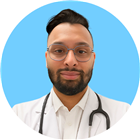
Who is a primary care doctor?
Primary care doctors are general practitioners who treat patients of various ages, from newborns to older adults. In addition to promoting healthier lifestyles, they also provide medical care to prevent, treat, and cure the most common illnesses. They are also consulted to manage and treat chronic, long-term disorders such as diabetes mellitus and acute problems such as bronchitis, allergic reactions, colds, and flu.
Doctors can give their patients complete primary care after residency or fellowship in acute and long-term care settings. They can work in a broad spectrum of backgrounds, including facilities for long-term care, medical clinics, hospital settings (inpatient and outpatient), and private institutions.
What are some of the functions and services carried out by primary care doctors?
The most common duties that primary care doctors perform are:
- Screening for health and sharing insights for disease prevention.
- Examining blood pressure, weight, BMI (body mass index), and other vitals
- Examining additional variables that increase your risk of developing heart disease
- Monitoring abnormally high levels of HDL cholesterol
- Chronic disease management, including diabetes, cardiovascular diseases, and asthma
- Assessing problems of growth and development
- Administering vaccines and immunizations
- Diagnosing mental health disorders like depression
- Wound management
- Treating infections, muscle strains, injuries, and fractures
What kind of education and training do primary care doctors receive?
Aspiring primary care doctors must first earn an undergraduate in the sciences or a premed degree from an accredited school. They must then enroll in a medical school where they study and train for four years. Those who graduate from medical school earn a Doctor of Osteopathy (D.O.) or a Medical Doctor (M.D.) degree.
The first two years of medical school involve learning theory in classrooms and laboratories. For the next two years, students undertake hands-on training in medical settings, including hospitals and clinics. They learn to identify and treat ailments and disorders under the competent direction of knowledgeable and experienced doctors and specialists.
After medical school, doctors must complete a three—to seven-year residency in a particular field of medicine. They can specialize in pediatrics, geriatrics, family medicine, or internal medicine.
Primary care doctors can begin practice after clearing a stringent state-level licensure examination. Some prefer to study and train further in a subspecialty by doing a fellowship. Depending on their chosen subspecialty, this can take up an additional one to three years.
Lastly, primary care doctors can become board-certified by taking an exam conducted by the American Board of Family Medicine or the American Osteopathic Board of Family Physicians.
Different types of primary care doctors
Primary care doctors fall into one of five categories:
The main distinguishing feature between a primary care physician and an internist is that internists only consult and treat adults. They are also known as internal medicine doctors trained to provide specialized care to patients ranging from early adulthood to old age. Internists also specialize in preventive care.
Pediatricians are primary care physicians who treat children until they are 18. They specialize in childhood illnesses, ranging from common diseases to severe conditions. Pediatricians monitor developmental milestones, diagnose and treat infections and injuries, and administer recommended immunizations.
Family doctors cater to the entire family's medical needs, i.e., they see patients of all ages. Since family doctors consult with all family members, they usually have detailed information about the family's health history, which can be used to provide personalized treatment.
- Obstetricians and gynecologists (OB-GYNs)
OB-GYNs specialize in diagnosing and treating conditions affecting the female reproductive system. OB-GYNs offer holistic care on various conditions, ranging from menstrual health and family planning to treating STIs, Pap tests, and pregnancy care.
What conditions does a primary care doctor treat?
Primary care doctors are also "gatekeepers" because they coordinate and manage a patient's healthcare needs. Here are the most common medical conditions you can visit a primary care doctor for:
- Upper respiratory infections: These include the flu, common cold, and bronchitis, or symptoms like coughing, congestion, and fever.
- Gastrointestinal issues: These consist of diarrhea, inflammatory bowel disease (IBD), irritable bowel syndrome (IBS), constipation, and acid reflux.
- Skin conditions: These include cancer, rashes, acne, warts, simple cysts, benign lesions, dandruff, and eczema.
- Mental health conditions: In many cases, your primary care physician will be able to identify and manage your mental illness and, if necessary, refer you to a specialist.
Reasons to visit a primary care doctor near you
A primary care physician (PCP) is your main point of contact for comprehensive health care beyond simply treating illness. You can visit your PCP if you have questions about your overall health, need an annual exam, or want routine health screenings and immunizations to stay updated on preventive care. When feeling unwell, your PCP can examine you, order blood tests or imaging, diagnose issues, and prescribe medications. If you have a chronic condition, like diabetes, hypertension, asthma, or COPD, your PCP can help you manage it effectively. They can also refer you to specialists if needed while remaining a key part of your care team for ongoing support. In cases of minor injuries or accidents, your PCP often provides first-line advice by guiding you over the phone or seeing you in person to determine the best course of action. Your primary care doctor is dedicated to helping you reach and maintain your best possible health.
What can you expect at your primary care visit
Your initial visit with a primary care physician will be centered on understanding your health history and needs. This includes reviewing your medical records and medications, discussing both personal and family health history, and performing a general exam. This helps the physician create a comprehensive view of your health. Follow-up visits often focus on specific health goals, such as managing chronic conditions, creating wellness strategies, or addressing any immediate health concerns. Preparing for each visit enhances productivity—make a list of any questions, symptoms, or concerns in advance to ensure nothing important is missed. This simple preparation enables a focused and beneficial conversation with your physician, allowing them to tailor their guidance and care to support your health best.
Preparing for a primary care visit
Regular checking in with the best primary care doctor near you can be beneficial, especially in managing chronic health conditions. Regular visits also help in the early detection of severe diseases, providing scope for timely treatment and recovery.
While visiting your primary care doctor, preparing a few things before the appointment is essential. This will help you control those nervous jitters and ensure adequate one-on-one time with your doctor.
Arrive 15 to 20 minutes early (or connect before if your appointment is virtual). This gives you ample time to check in and monitor your vitals (like your height, weight, and blood pressure). Arriving early lets your provider stay on schedule, giving you more time with them. Being on time may make you feel less pressured or worried.
- Prepare your set of questions
Note down your questions and grievances before your appointment. Writing it down helps you prioritize them. Include herbs, vitamins, and nutritional supplements in the list of drugs that you're currently consuming.
- Share your family health history
Always remember to discuss family health history and update your primary care doctors on your family's medical history. Tell your provider about family members' modifications or new conditions. (Hint: Include changes in family health with your inquiry.)Your family history can predict your risk of developing various diseases and ailments.
It's normal to be worried or anxious while visiting a doctor, but remember they want to assist. Some patients suffer from white-coat hypertension, where their blood pressure rises in the doctor's office. Take a deep breath and realize your provider is on your get-well and stay-well team. Arriving early allows you to sit quietly and center yourself.
Many medical conditions are awkward to address in person. You should not at all feel embarrassed to talk to your provider. (We've heard it all!) Leaving out details or lying to your provider can impair your care, so be honest. Honesty is the best health insurance.
Locating the best primary care physician near you in Maspeth, New York
Primary care physicians can better understand patients' health and medical history by treating them over time. Your primary care doctor can deliver more precise therapy and look for any changes or warning flags during routine health tests and checkups. Need help finding the best primary care doctor near you? We've got you covered.
Zocdoc can help you book an appointment with the nearest primary care physician in minutes! Zocdoc is an online platform that aims to connect patients with the right providers. Simply visit our website, www.zocdoc.com, and fill in your search query based on location, appointment date, symptoms, specialty, and insurance carrier.
Voila! You will find a curated list of providers that match your search query. Each provider profile on Zocdoc contains essential information about their expertise, education, experience, licensure, spoken language, and patient testimonials. You can further filter the list on the basis of gender, insurance accepted, and whether or not they treat children. If you prefer to keep your insurance information private when booking an appointment on Zocdoc, you have the option to indicate that you're paying out-of-pocket. However, keep in mind that some providers may require insurance details to secure an appointment. If you don't have insurance or choose not to use it, you can search for a different provider on Zocdoc that allows out-of-pocket payment options. For more insurance-related questions, please visit Zocdoc's patient help center.
Once you've selected a practitioner, you can make an appointment with them. Many of the doctors in our database also offer online and after-hours consultations.
All appointment bookings on Zocdoc are 100% easy, secure, and free!
Prevalence of chronic diseases in New York
According to a report from the New York State's Health Department, over 40% of the adult population in New York is afflicted with a chronic disease, and 23% of all hospitalizations in the state are related to chronic disorders. Chronic diseases are behind six out of every ten deaths in New York. More than half of all deaths in New York State occur due to heart disease and cancer. Patients with chronic illnesses should see their primary care doctor often to learn about their situation and make the right changes to their lives to avoid problems that could be life-threatening.
According to the data from the Centers for Disease Control and Prevention (CDC), around 7,258 New Yorkers died in 2017 from chronic lower respiratory disorders. An estimated 1.5 million adults and more than 400,000 children were affected by asthma in New York State in 2015, as stated in the information on Asthma in New York State shared by the New York State Department of Health. Adults and children in New York will benefit from regular visits to primary care doctors. In some ways, they can help with both long-term and short-term asthma management.
As per New York State's Health Department, 1 in 4 adult New York citizens harbor high blood pressure, and most aren't even aware of their condition. Primary care doctors can monitor blood pressure and hypertension, prescribe medication, and treat the illness. Therefore, regular
examinations are necessary.
Sources
WebMD[1]
WebMD[2]
Cleveland Clinic
Health Partners
Verywellhealth
Centers for Disease Control and Prevention
New York State Department of Health[1]
New York State Department of Health[2]
New York State Department of Health[3]
Healthline[1]
Healthline[2]
Healthline[3]