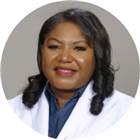
What is dermatology, and who is a dermatologist?
Dermatology is a medical subspecialty focusing on diagnosing, treating, and managing skin conditions. It is a highly specialized field of medicine that requires understanding the structure and function of the human skin and the diseases affecting it.
A dermatologist is a trained medical doctor specializing in diagnosing and treating skin conditions and various skin disorders, such as acne, warts, rosacea, psoriasis, and eczema. In addition to medical training, dermatologists receive specialized training in diagnosing and treating skin conditions. Dermatologists are experts in cosmetic procedures, such as laser treatments, Botox injections, and injectable fillers.
Education and training of dermatologists in the United States of America
Dermatologists in the United States of America (USA) are required to complete medical school and residency. Dermatologists complete a four-year degree in medical school, followed by a one-year internship. After their medical training, dermatologists complete a three-year residency program in dermatology.
During their residency, dermatologists receive training in all aspects of skincare, including diagnosing and treating skin ailments like acne, eczema, psoriasis, and skin cancers. Dermatologists also learn about cosmetic procedures like laser surgery and Botox injections. Upon completion of their residency program, dermatologists must pass a written and oral exam by the American Board of Dermatology (ABD) to become certified.
The ABD offers two types of certification: general and subspecialty. General certification allows dermatologists to practice any specialty of dermatology. Subspecialty certification is available for those who wish to focus their practice on a particular area of interest, such as pediatric dermatology or Mohs surgery.
Esthetician vs. dermatologist: How do you decide which one to choose?
When addressing skin care concerns, it's essential to understand the differences between estheticians and dermatologists, as each plays a distinctive role in skin health.
Estheticians are trained skin care specialists who focus on improving the appearance of the skin. They provide facials, microdermabrasion, and mild chemical peels, targeting surface issues without invasive procedures. Their treatments enhance the skin's texture and appearance but do not address underlying medical conditions.
Dermatologists are licensed medical doctors specializing in diagnosing and treating various skin conditions. They can prescribe medications and perform more invasive treatments, including cyst removal, skin cancer biopsies, dermal fillers, etc. These professionals have the authority to perform deeper chemical peels and complex treatments.
Here are some critical distinctions between the two:
- Peels: Estheticians can conduct mild peels (e.g., those containing alpha hydroxy acids), while dermatologists carry out more intensive peels that reach the deeper layers of the skin.
- Laser treatments: Typically, only dermatologists can perform laser procedures. However, in certain states, estheticians may offer specific laser services, like hair removal or skin rejuvenation.
- Microneedling: Generally considered a medical procedure, dermatologists primarily perform this. Some estheticians may do it under the supervision of a licensed physician in specific settings.
If you have skin issues such as acne, discoloration, or persistent dryness, it's advisable to consult a dermatologist first. They can provide a diagnosis and appropriate medical treatment. After addressing any underlying conditions, a dermatologist may refer you to an esthetician for ongoing care and to help you establish a skincare routine.
When should I see a dermatologist?
Skin concerns are widespread; many go away independently (or with home-based skincare). However, skin symptoms, such as persistent acne, hair loss, or moles, can also signify other conditions:
- An underlying health disease, such as anemia, PCOS, or a thyroid disorder: Your dermatologist will perform a thorough evaluation; if they suspect a systemic condition (such as an infection), you will be referred to another practitioner.
- A hereditary disorder, congenital alopecia: Patients (primarily males) will go through balding unless treated. A family history of skin cancer also raises your odds of developing it.
- A severe skin disorder: A specialist can not only diagnose you early on, but they may also send a biopsy for microscopic examination. For instance, many people confuse the symptoms of hidradenitis suppurativa (HS) with acne, boils, or even STIs. Some patients may go undiagnosed for up to 12 years. HS is a chronic and painful condition requiring timely, personalized treatment, such as medication and laser therapy.
Early diagnosis (e.g., skin cancer such as melanoma) can be the most significant factor for good treatment outcomes. If you're worried about costs, try searching for in-network dermatologists on Zocdoc. Enter your insurance carrier's name and search for DC-based dermatologists who accept your insurance.
You should consult the best dermatologist near you for your acne if you experience the following:
- Recurrent breakouts
- Severe acne — for instance, deep acne (called 'cysts' or 'nodules') that are painful and leave scars
- Persistent acne that won't go away
- Mental health issues, such as low self-esteem due to skin concerns
How does a dermatologist treat alopecia?
Alopecia, a comprehensive term representing diverse patterns of hair loss, is a condition that influences an individual's self-esteem and overall well-being. As skin, hair, and nail health experts, dermatologists are the best doctors to diagnose and treat alopecia. The treatment approach frequently includes a blend of medical and procedural interventions customized to address the type of alopecia and the underlying causes of hair loss.
- Topical and oral drugs: One common strategy employed by dermatologists is the use of topical medications. Topical corticosteroids are prescribed for conditions like alopecia areata, characterized by immune system attacks on hair follicles. When applied directly to affected areas, these medications alleviate inflammation and encourage hair regrowth. In cases where topical treatments are insufficient, dermatologists may recommend oral medications. Minoxidil, for instance, is an FDA-approved medication that can be taken orally to stimulate hair growth, especially in cases of androgenetic alopecia.
- Injections: Injectable medications, particularly corticosteroids, are another option. Dermatologists administer these injections directly into the scalp, particularly for localized cases of alopecia areata. This localized treatment approach aims to curb the immune system's attack on hair follicles.
- Light therapy or phototherapy: It is an innovative approach to stimulating hair regrowth. Dermatologists use ultraviolet (UV) light to target affected areas of the scalp, promoting the rejuvenation of hair follicles.
- Platelet-rich plasma (PRP) therapy: This procedure may be considered for more advanced cases. It involves drawing a minute quantity of the patient's blood, processing it in the laboratory to increase the percentage of platelets, and injecting the PRP into the scalp. The growth factors in PRP are believed to stimulate hair follicles and encourage hair regrowth.
- Hormone therapy: In cases where hormonal imbalances contribute to hair loss, dermatologists may collaborate with endocrinologists to address these imbalances through hormone therapy.
- Hair transplantation: Hair transplantation could be a viable choice for individuals with significant hair loss. Dermatologists perform this procedure by transplanting hair follicles from other body parts to the affected area. Throughout the treatment journey, dermatologists provide medical expertise and emotional support. They guide patients through the available options, helping them make informed decisions and providing resources for coping with the psychological impact of alopecia.
Personalizing treatment plans to each patient's unique needs, dermatologists empower individuals to restore confidence and effectively navigate the challenges linked to hair loss.
What is pediatric dermatology?
Following graduation from medical school, doctors must complete a clinical internship and residency training to become dermatologists. Skin specialists pursuing pediatric dermatology must also complete a fellowship in this field. Next, they must obtain board certification.
While all dermatologists can treat children, pediatric dermatologists focus on this age group's skin, nail, and hair issues. They can treat children of all ages, from newborn infants to adolescents. Common conditions treated by pediatric dermatologists include:
- Warts
- Eczema
- Birthmarks
- Psoriasis
They can also perform laser treatment and minor surgical procedures, such as removing a wart or cyst.
Best dermatologists near you in Washington, District of Columbia
Your skin health is interconnected to your emotional well-being. In addition to pain and discomfort, skin conditions can harm self-esteem. More importantly, symptoms such as hair fall, discoloration, constant itching, or stubborn acne may signal more severe skin issues (including the most common, skin cancer).
The best way to rule out a severe illness is to seek a professional's opinion. At Zocdoc, you can browse the profiles of thousands of qualified dermatologists. For a more targeted search, enter a location, specialty, gender, or hospital affiliation.
There is no need for endless paperwork, either! Zocdoc lets you search among in-network providers, meaning the best dermatologist near you (who accepts your insurance) is only a click away. If you need assistance finding dermatologists who take your insurance, our online patient help center is here to help.
You can also read through their profile before booking, which includes learning more about their medical education, board certification, professional recognition, and more. You can also check out verified Zocdoc reviews. These are left by genuine customers who attended their appointments.
Most importantly, Zocdoc does not charge patients for bookings. All in-person bookings, as well as virtual ones, are entirely safe, secure, and accessible.
Dermatology and melanoma statistics in Washington, DC
A 2020 study in the JAMA Dermatology investigated the prevalence of skin disease in the US. The study relied on DALYs, which measure the years of healthy life lost (due to illness or early death). The study included any patient with skin disorders or subcutaneous diseases such as dermatitis, psoriasis, pruritus, cellulitis, scabies, pyoderma, and fungal skin.
Based on their analysis of nearly 27 years of patient data (i.e., from 1990 to 2017), the authors concluded that:
- Skin disease burden has increased in the US from 1990 to 2017, rising from 821.6 age-standardized DALYs (per 100,000 people) to 884.2
- The disease burden also increased in Washington, DC, rising from 991.8 age-adjusted DALYs in 1990 to 1052.8 in 2017.
Interestingly, in all 50 US states (as well as Washington, DC), females suffered from higher DALYs than men, although the difference was not statistically significant. However, men were significantly more likely to have a disease burden related to keratinocyte carcinoma (even when adjusting for age). Possible causes include lifestyle factors, such as more work in the sun, less use of protective sunscreens, etc.
Pediatric dermatologists vary in number across the US. A 2021 paper analyzed their geographic distribution and found that:
- There were about 6.6 pediatric dentists on average in every state.
- California has the highest number of pediatric dentists per state at 49.
- On the other hand, seven US states had no such specialists, including Delaware, Louisiana, Maine, Montana, Nevada, North Dakota, and South Dakota.
Regarding the pediatric dentist-patient ratio, Washington, D.C., ranked the highest. DC had 1.64 pediatric dentists per 100,000 children. New Hampshire and Massachusetts followed, with a density of 1.52 and 1.45 pediatric dentists, respectively.
However, despite ranking high, such physician-patient ratios may not be a cause for celebration. After all, the recommended ratio is at least four general dermatologists per 100,000 population—a far cry from even the areas with the highest physician density. The 2021 paper argues that this disparity may be due to supply-demand dynamics; according to statistical projections, it might not ease anytime soon.
As of May 2024, the U.S. Bureau of Labor Statistics reported that Washington State has approximately 140 dermatologists actively practicing. In the broader Washington-Arlington-Alexandria area, which includes parts of Virginia, Maryland, and West Virginia, there are about 250 employed dermatologists. Meanwhile, the Portland-Vancouver-Hillsboro area, spanning Oregon and Washington, has around 110 dermatologists, and the Seattle-Tacoma-Bellevue region in Washington is home to about 100 dermatologists.
A report from the National Cancer Institute revealed that between 2017 and 2021, Washington experienced an incidence rate of approximately 25.6 melanoma cases for every 100,000 individuals. This rate has shown a consistent trend over the last five years.
Sources
American Academy of Dermatology Association[1]
American Academy of Dermatology Association[2]
American Academy of Dermatology Association[3]
American Academy of Dermatology Association[4]
National Center for Biotechnology Information[1]
World Health Organization
National Center for Biotechnology Information[2]
Australian Family Physician
American Academy of Pediatrics
WebMD
American Academy of Dermatology Association[5]
U.S. Bureau of Labor Statistics
National Cancer Institute
Healthline