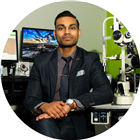
Who are optometrists, and what do they do?
Optometrists are primary healthcare specialists who help patients prevent, diagnose, and manage diseases, disorders, and injuries in the eyes and other pathways of the visual system. They are at the forefront of helping people maintain their vision and general health as several systemic conditions first show up in the eyes.
Some everyday duties of optometrists include:
- Performing and analyzing vision tests
- Diagnosing vision problems such as refractive errors, eye diseases, and ocular complications of chronic medical conditions
- Writing prescriptions for contact lenses, eyeglasses, and other types of visual aids
- Provide care before and after patients undergo eye surgeries.
- Perform minor surgical procedures to correct vision.
- Counseling patients on ways to maintain and manage eyesight
What is the education and training of an optometrist?
Optometrists undergo extensive training for 8 to 9 years before they can begin practicing and caring for patients with eye problems. They begin their education by earning a 4-year bachelor's degree in science from a reputable university.
Then, they pass the Optometry Admission Test to enroll in an optometry school. During their four years of optometry school, they engage in rigorous academic coursework and hands-on clinical training to earn a doctoral degree in optometry. Finally, they clear the National Board of Examiners in Optometry exam to obtain their state practice license. They must also participate in continuing education to stay updated with the latest research, trends, and advancements and renew their license at the required intervals. Additionally, some optometrists may get certified by the American Board of Optometry.
What are the subspecialties of an optometrist?
After completing their education, optometrists may specialize in a particular field through a one-year residency or fellowship program. Some of the optometry subspecialties include:
- Pediatric optometry (addresses common eye problems in children, including myopia, hyperopia, amblyopia, double vision, eye fatigue, strabismus, and difficulties with hand-eye coordination)
- Geriatric optometry (provides specialized care for the aging population experiencing eye disorders like age-related macular degeneration, diabetic retinopathy, dry eyes, cataracts, and glaucoma)
- Neuro-optometry (deals with individuals having vision problems associated with brain injuries or disorders)
- Cornea and contact lenses (involves the diagnosis and treatment of various corneal conditions such as refractive errors, corneal irregularities, or ocular surface disease using specialized contact lenses)
- Low vision (equips people with special devices to cope with low vision issues that affect their daily lives)
- Ocular disease (addresses eye diseases affecting both the front and back of the eye, including glaucoma, macular degeneration, and dry eye syndrome)
- Sports vision optometry (aims to help athletes protect their eyes, correct vision impairments, and improve their vision to enhance their sports performance)
- Vision therapy (uses eye exercises and special tools to improve eye function)
Which systemic illnesses can an eye exam detect?
Several long-term diseases manifest signs and symptoms in the eyes before showing up elsewhere in the body. A simple eye exam with a qualified optometrist near you can help detect these disorders early on and significantly reduce the complications. Some systemic illnesses that optometrists commonly diagnose during a comprehensive eye exam include the following:
- Diabetes: One of the signs of diabetes and diabetic retinopathy is yellow fluid or blood in the retina.
- Hypertension: Abnormal structure and bleeding in the optic blood vessels observed during a dilated eye exam indicate increased blood pressure. High blood pressure patients are more likely to experience visual issues such as macular degeneration, glaucoma, and diabetic retinopathy.
- Heart diseases: An imaging test used during a comprehensive eye exam, optical coherence tomography, helps detect marks on the retina, which are more common in patients with heart problems.
- High cholesterol: Increased blood cholesterol levels show up as blue or yellow-colored rings around the cornea and deposits in the retinal blood vessels.
- Stroke: The sudden development of blind spots and curtain vision is a result of blocked retinal blood vessels, which commonly occur in patients at risk for stroke.
- Tumors in the brain: Most brain tumors increase the pressure on the brain and the optic nerve, leading to vision problems. Common signs of brain tumors in the eyes are double vision, change in pupil size, and loss of peripheral vision.
- Lupus: Common vision changes associated with this autoimmune inflammatory disorder include dry eyes and swelling.
- Myasthenia gravis: It is another autoimmune disease that weakens the muscles and causes ocular symptoms. Drooping eyelids occur, and sometimes, patients also present with double vision.
- Rheumatoid arthritis: Patients with this autoimmune form of arthritis experience the following signs in the eyes—painful red eyes and dry eyes.
- Thyroid disorders: Increased thyroid gland activity, known as Grave's disease or hyperthyroidism, is first detected in the protruded eyeballs and retracted eyelids.
- Drug toxicities: Several medications cause toxic reactions in the eyes. These appear as redness, scratchy corneas, and scaling eyelids.
- Multiple sclerosis: Patients with this degenerative disease have defective nervous systems in the form of optic nerve inflammation.
- Vitamin A deficiency: Vitamin A helps lubricate the eyes, and its deficiency leads to night blindness and dry eyes.
- Sjogren's syndrome: This autoimmune disorder mainly affects the eyes and the mouth. Common eye symptoms include dry eyes, a burning sensation, and blurred vision.
- Sexually transmitted infections: Most sexually transmitted diseases have ocular manifestations affecting all the layers of the eyes.
What is vision therapy?
Optometrists, eye doctors, and ophthalmologists specialize in a treatment field known as vision therapy. Vision therapy may include eye exercises, but these are only part of a more comprehensive and specialized treatment program conducted under the supervision of a professional. The main goal of this therapy is to strengthen the eye muscles, retrain visual behaviors, or address issues with eye tracking. This type of therapy is often used to treat conditions that affect children, though it can also benefit adults. These conditions include:
- Strabismus: Strabismus, commonly called crossed eyes, can present differently. The American Optometric Association defines strabismus as a condition in which both eyes do not simultaneously look at the same point. Depending on the case, one eye may drift inward (esotropia), outward (exotropia), upward (hypertropia), or downward (hypotropia). These misalignments usually result from inconsistencies in the eyes' ability to focus correctly on a specific point, especially in the distance.
- Amblyopia: The clinical term for lazy eye is amblyopia, which affects one eye's ability to develop normal vision. Although the affected eye may not look noticeably different, it often "wanders" in various directions, which is why "lazy" is used. Typically, amblyopia only affects one eye, though, in certain situations, it may impair the vision of both eyes.
- Convergence insufficiency: This condition impairs the eyes' ability to work together when focusing on nearby objects, which may cause blurry or double vision when looking at things close up, such as a book or smartphone. Though convergence insufficiency generally begins in childhood, it can develop in individuals of any age, particularly after a brain injury such as a concussion.
- Dyslexia: Dyslexia is often recognized as a reading disability and is typically identified during childhood when reading difficulties become noticeable. Individuals with dyslexia struggle to break down words into simple sounds and often have trouble learning how these sounds correspond to letters and words. This leads to slow reading speeds and poor comprehension.
Tips for caring for the eyes
Since eyes are our permanent windows to this beautiful world, and once lost, vision loss can often be permanent, it is essential to care for our vision to prevent future complications. Some simple methods to care for our eyes include the following:
- When practiced daily, a well-balanced and nutritious diet can fight several age-related vision conditions, such as cataracts and macular degeneration. Eat foods with vitamins C and E, omega-3 fatty acids, zinc, and lutein. Some popular options are green leafy vegetables, seafood like salmon and tuna, protein-rich foods such as beans and nuts, and citrus fruits.
- Frequent eye exams are the best way to keep a healthy vision and detect problems. Consult a qualified and experienced optometrist to get your vision tested.
- Wearing protective sunglasses with polarized lenses when stepping out into the sun prevents harmful UV radiations from damaging the eyes.
- People exposed to toxic and harmful substances in their jobs, including sportspersons, must wear safety goggles to protect their eyes from injuries.
- People working with computers and phone screens for a long time must wear Blu-ray protection glasses, step away from the screen after working for a while, and practice regular exercises for the eyes, neck, and shoulders.
- Harmful habits like smoking increase the risk of developing chronic medical conditions, including vision disorders. Quitting helps protect both vision and general health.
Finding the best optometrists near you in League City, Texas
Optometrists play a crucial role in detecting diseases affecting a patient's vision and several systemic disorders that initially show signs and symptoms in the eyes. If you are trying to find a doctor of optometry for your eye, you need not look any further. Zocdoc is the perfect online portal to find the best optometrists practicing near you.
With Zocdoc, you can customize your search based on your symptoms or condition, your current address (home or office), and the date and time you prefer to consult an optometrist. It also helps you find eye doctors accepting your medical insurance, making it easier on your pockets. Select your current insurance policy and plan from the drop-down menu on Zocdoc, and it will sort through all the providers and list only in-network optometrists.
The insurance detector on Zocdoc makes it easy to find nearby in-network providers. You can search for and make an appointment with one insurance plan at a time, even though you can add medical, dental, and vision insurance plans to your Zocdoc account. In the last step of the booking procedure, you can include your secondary insurance plan and carrier in your notes for the provider if you have more than one plan. When completing your online forms, you can include information about your secondary insurance if your provider uses Zocdoc's intake forms. Visit Zocdoc's patient help center for other insurance-related questions.
With Zocdoc, you can access a detailed profile of all the optometrists, including information about their training, certifications, experience, expertise, accreditation, affiliations, and any previous awards. You can also learn about the optometrist's gender, language preferences, places, days and hours of consultation, and cultural background.
You can read pre-verified patient reviews and ratings on Zocdoc to understand the provider's expertise better. Once you choose an optometrist near you, you can book an in-person or virtual appointment—it's fast, free, and secure!
Optometrists and vision statistics in League City, Texas
The May 2021 U.S. Bureau of Labor Statistics reported that about 2,980 optometrists legally practiced in Texas. The state has the second-highest number of optometrists in the US. The location quotient (0.89), the ratio between optometrists in Texas versus the entire US population, is less than the national average.
The latest research by the American Foundation for the Blind publishes year-wise statistics on the prevalence rates of vision problems across all states in the USA. According to the Texas report, in 2019, around 695,054 people had problems with vision. Women (370,011) had a greater prevalence than men (325,043) in the state. The issues were most serious among people between 75 years and older, with about 148,191 of the senior population facing eye disorders. Other than that, the age group 35-64 had the highest number of cases — around 275,585.
Sources
U.S. Bureau of Labor Statistics[1]
U.S. Bureau of Labor Statistics[2]
Medical News Today
Cleveland Clinic
American Foundation for the Blind
American Academy of Ophthalmology
WebMD[1]
WebMD[2]
Verywell Health
Dr. Ryan Corte
Healthline[1]
Healthline[2]
Healthline[3]
Healthline[4]
National Eye Institute